Knowledge & Insights

Orthopedic Medical Blog

Stay informed with the latest surgical insights, clinical updates, technological advancements, and expert guides from Siora Surgicals.

0%

External fixation systems hold bones steady from outside the body, using pins or wires connected to a frame. The frame may sit along one side of a limb, surround it, or cross a nearby joint. Each design answers a different practical need. Some support temporary stabilization after severe injury; others allow gradual correction of deformity or length.

Orthopedic surgeon Gavriil Ilizarov described a principle central to circular fixation: “The tension-stress effect stimulates tissue regeneration and growth.” His work helped establish how carefully controlled forces can guide bone and soft-tissue healing. But the frame alone does not determine the result. Pin placement, alignment, infection monitoring, and patient-specific planning matter. Details matter.

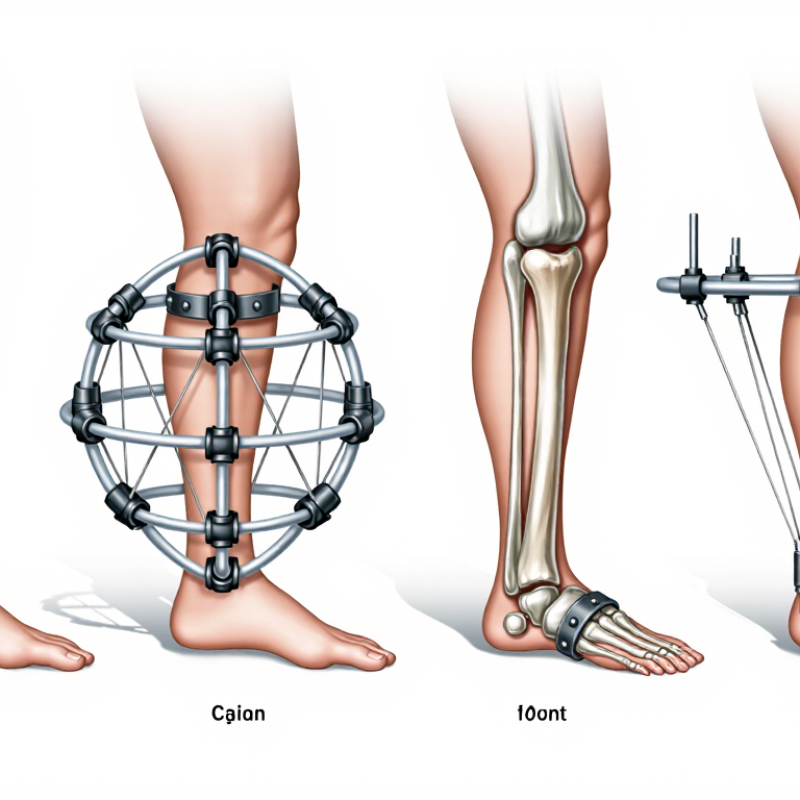
This overview compares the main types of External Fixation System: monolateral, circular, hybrid, and joint-spanning designs. It explains how their frames differ, where each may be useful, and what trade-offs clinicians consider. A slim unilateral bar can leave one side of a limb accessible, while a circular frame uses rings and tensioned wires for support from several directions. Hybrid systems combine elements of both. No single frame fits every fracture or patient. Selection depends on injury pattern, bone quality, soft-tissue condition, and the treating team’s expertise. Even a clear classification has limits; real cases often resist tidy categories. The sections ahead offer a practical comparison, not a substitute for clinical judgment.
What Are the Top Types of External Fixation Systems?

Unilateral External Fixation Systems

Unilateral external fixation systems support a bone from outside the body using pins or wires connected to an external frame. The frame usually sits along one side of the limb, leaving the injured area more accessible for wound care and clinical checks. Clinicians may use these systems for selected fractures or when temporary stabilization is needed. The right setup depends on the injury, bone quality, and treatment plan.

A surgeon places pins into stable bone segments and connects them with rods or clamps. Adjustments can help maintain alignment, but the frame must be assessed regularly by the care team. Pin sites need careful cleaning and monitoring for increasing redness, swelling, pain, or drainage. The hardware may look straightforward. Its safe use is not. Even small changes in alignment or pin stability deserve attention, and follow-up schedules should not be guessed.

Tips: Keep pin-site care consistent and follow the clinician’s instructions. Avoid adjusting clamps yourself. Check the frame for looseness, and report new pain, fever, or unusual drainage promptly. Daily routines can feel awkward at first; that practical burden is easy to underestimate.

Bilateral and Biplanar External Fixation Systems

Bilateral and biplanar external fixation systems support fractures with pins and connecting bars positioned on two sides or in two planes. This geometry can improve control of rotation and alignment, especially when a fracture is unstable or swelling makes internal fixation less suitable. The frame is visible and adjustable. That matters during follow-up: clinicians can inspect pin sites and check limb position without removing the construct. Pin placement still needs careful planning around wounds, nerves, and future surgical access.

More bars do not automatically mean better care. A review in Strategies in Trauma and Limb Reconstruction reported pin-site infection rates ranging from 0% to 100% across published studies, reflecting inconsistent definitions and follow-up methods. That wide spread is a warning against treating one number as a universal risk estimate. Pin care, bone quality, soft-tissue condition, and frame configuration all affect practical results. For example, a crowded frame near the knee can make dressing changes awkward. A biplanar layout may add stability, but it can also obstruct access. The trade-off deserves honest discussion with the treating team. Geometry matters. So does day-to-day care.

Circular Ring Fixation Systems

Circular ring fixation systems use one or more rings around a limb, joined by adjustable struts and thin wires or pins. This frame can stabilize complex fractures while leaving access to nearby skin and wounds. Some systems also allow clinicians to make gradual alignment changes during treatment. That flexibility can help in selected cases involving bone deformity, shortening, or injury near a joint. The exact setup depends on the patient’s anatomy and treatment plan.

A frame may feel bulky, and daily tasks can take practice. Pin sites need careful cleaning and regular review, because irritation or infection can occur. Patients should report increasing redness, warmth, drainage, fever, or worsening pain to their care team. Follow-up imaging helps clinicians assess bone position and healing. Adjustments should only be made as instructed by the treating team. Small changes matter.

Tips: Keep a written care routine, use a mirror to check hard-to-see pin sites, and bring questions to each appointment. Do not tighten struts or alter the frame on your own. Even a well-fitted system can be uncomfortable, and comfort does not always mean the bone has healed.

What Are the Top Types of External Fixation Systems? - Circular Ring Fixation Systems

Circular Frame Type Typical Construction Common Uses Adjustment Approach Practical Considerations
Conventional wire-based ring frame Two or more circular rings connected by threaded rods; thin tensioned wires pass through bone and attach to the rings. Fracture stabilization, limb lengthening, and correction of selected deformities. Alignment or length can be changed by adjusting the connecting rods according to a clinician’s plan. Provides fixation from multiple directions. Wire sites require ongoing care, and frame adjustments require clinical instruction and monitoring.
Hexapod ring frame Two rings connected by six adjustable struts, commonly used with computer-assisted planning. Complex fracture alignment and gradual correction of multiplanar deformities or translation. Strut lengths are adjusted in a planned sequence to produce changes in the relative position of the rings. Can support correction in multiple planes. Accurate measurements, planning, and follow-up imaging are important.
Hybrid circular frame A circular ring or partial ring combined with tensioned wires and larger-diameter half-pins; may connect to a more conventional frame segment. Selected periarticular fractures, including some fractures near the knee or ankle, when fixation needs vary across bone segments. Adjustment depends on the frame configuration and the clinician’s treatment plan. Combines different fixation methods. Suitability depends on fracture location, bone quality, soft-tissue condition, and safe pin or wire placement.
Foot and ankle circular frame A circular frame configured with foot plates or rings, wires, and/or half-pins to include the foot and lower leg. Selected complex foot or ankle reconstruction, deformity correction, and limb-salvage procedures. Components can be adjusted in stages when gradual correction or controlled positioning is required. Frame design is tailored to the anatomy and treatment goal. Mobility, footwear, skin care, and pin-site care may need specific planning.

Note: These descriptions refer to general frame configurations, which can overlap. The appropriate system and adjustment plan depend on the individual injury or condition and should be determined by an orthopedic specialist.

Hybrid External Fixation Systems

Hybrid external fixation systems combine circular rings with components such as half-pins or tensioned wires. The rings surround the limb, while pins anchor selected bone segments. This mixed design may help manage complex fractures near joints, where clinicians need stability and access to surrounding soft tissue. Frame choice depends on the fracture pattern, bone quality, swelling, and the patient’s overall needs.

A practical detail is how the frame sits around the limb. Clinicians may leave room for wound checks or later procedures and position wires to avoid sensitive structures. That matters. Tensioned wires can support smaller bone fragments, while half-pins may make parts of the frame easier to configure. Still, a hybrid frame is not automatically more stable or comfortable; placement and follow-up are critical.

Patients need guidance on pin-site care and scheduled imaging so the care team can monitor alignment and possible infection. Frames may need adjustment as healing progresses, and that uncertainty deserves honest discussion. The rings can also make clothing, sleep, and everyday movement awkward—details that are easy to underestimate when viewing an X-ray.

How Fixator Designs Differ in Stability and Use

What Are the Top Types of External Fixation Systems?

How Fixator Designs Differ in Stability and Use

External fixation systems differ in how they control movement and where they can be applied. Unilateral frames place pins on one side of the limb and connect them to a bar. They are relatively accessible for wound care and often used for temporary stabilization. Circular frames use tensioned wires or thin pins around the limb, creating support from several directions. They can allow gradual correction, but need careful planning and frequent adjustment. Hybrid designs combine rings and bars for selected fractures. They offer flexibility, though setup can be complex. They are not interchangeable.

Stability depends on more than frame type. Pin spacing, wire tension, bar distance from the bone, and fracture pattern all matter. A review by Kazmers, Fragomen, and Rozbruch in Strategies in Trauma and Limb Reconstruction (2016) reported pin-site infection rates ranging roughly from 0.5% to 30%. The wide range reflects inconsistent definitions and follow-up. This is a useful reminder: published figures are not a personal risk estimate. A bulky ring may improve control, but can make daily care and clothing awkward. Small practical details matter.

Tips: Ask the treating team how the frame affects walking, wound access, and cleaning. Keep pin sites visible and follow the specific care plan. Report increasing redness, drainage, pain, or fever promptly; do not adjust the frame yourself.

FAQS

What is a unilateral external fixation system?

It supports bone from outside the body. Pins or wires connect to a frame along one side of the limb. The injured area stays accessible.

When might clinicians use a unilateral frame?

It may be used for selected fractures or temporary stabilization. The setup depends on the injury, bone quality, and treatment plan.

What do bilateral and biplanar frames do differently?

Their bars sit on two sides or in two planes. This can help control rotation and alignment in unstable fractures. More bars do not automatically mean better care.

Can clinicians inspect the limb while the frame is in place?

Yes. The visible frame lets clinicians check limb position and pin sites during follow-up. That matters.

How should pin sites be monitored?

Follow the clinician’s cleaning instructions. Watch for increasing redness, swelling, pain, or drainage. Report fever or unusual drainage promptly.

Should patients adjust frame clamps themselves?

No. Avoid adjusting clamps yourself. Even small changes can affect alignment or pin stability.

Why does frame placement need careful planning?

Pins must be planned around wounds, nerves, and possible future surgical access. A crowded frame near the knee can make dressing changes awkward.

Do published studies give one clear pin-site infection risk?

No. One review reported rates ranging from 0% to 100%, partly because definitions and follow-up methods differed. That range is not a universal estimate.

What should patients discuss with their care team?

Ask how the frame affects wound care, follow-up, and daily routines. The practical burden can be easy to underestimate.

Conclusion

External Fixation System designs vary according to the number and arrangement of their supports. Unilateral systems place pins and connecting rods along one side of a limb, offering a relatively simple, accessible setup. Bilateral systems support the bone from opposing sides, while biplanar configurations use more than one plane to provide additional control. Circular ring systems surround the limb with rings linked by tensioned wires or pins, allowing adjustments in multiple directions. Hybrid systems combine features such as rings and rods to suit different support needs.

Each design balances stability, access, adjustability, and practical use. A straightforward unilateral frame may be appropriate when ease of application and access are priorities, whereas bilateral or biplanar frames can provide broader support. Circular and hybrid systems offer adaptable configurations for situations that call for more precise alignment or complex stabilization. The choice depends on the injury, the treatment goals, and the level of control required; a qualified clinician determines the suitable configuration for each patient.

Amelia

Amelia

Amelia is a dedicated marketing professional with a strong understanding of the company’s products, customers, and market environment. Through her practical experience and continuous research, she transforms complex product information into clear, useful, and engaging content that helps readers......
WhatsApp Chat with Siora Surgicals