Blog
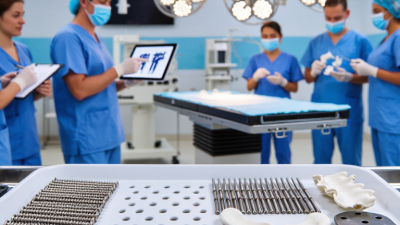
Why Choose Sports Medicine Implants for Global Buyers?
Global buyers increasingly consider Sports Medicine Implants when hospitals need dependable solutions for ligament, tendon, cartilage, and bone procedures. These products can support stable fixation, controlled recovery, and more consistent surgical workflows. However, choosing an implant is not simply a price comparison. It requires evidence, careful evaluation, and a clear understanding of local clinical needs.
Experienced buyers examine material quality, implant design, sterilization methods, and manufacturing controls. They may request test reports, traceability records, biocompatibility data, and evidence from relevant clinical use. Certifications also matter, but their meaning depends on the destination market. A CE mark, FDA authorization, or ISO 13485 certification should be checked through reliable documentation. Not every certificate proves equal performance.
Supply reliability is equally important. A delayed shipment can affect an operating schedule, especially when surgeons expect specific sizes or instrument sets. Buyers should review packaging strength, storage conditions, shelf life, and after-sales support. Clear communication helps resolve problems across languages and time zones.
Still, no supplier is perfect. Even a reputable manufacturer may have limited data for a specific procedure or patient group. This point deserves honest discussion. Global purchasers should compare clinical evidence, regulatory status, surgeon feedback, and total ownership costs. They should also confirm whether training and technical assistance are available after delivery. A thoughtful decision protects patients, supports surgeons, and builds a more reliable international medical supply chain.
Read more »
 By:Amelia
- October 25, 2026
By:Amelia
- October 25, 2026
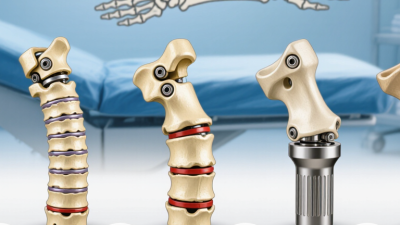
2026 Best Radial Head Prosthesis Types for Global Buyers?
Choosing the right Radial Head Prosthesis requires more than comparing prices or polished product images. Global buyers must examine implant design, fixation method, bearing material, sizing options, and clinical support. A device that performs well in one hospital may not suit another patient population, surgical workflow, or follow-up system.
This guide introduces the main Radial Head Prosthesis types available in 2026, including monopolar, bipolar, modular, press-fit, and cemented designs. Each option has practical strengths and limitations. Some systems simplify intraoperative sizing. Others offer greater flexibility when anatomy is difficult. The difference may appear small on a product sheet, yet it can affect elbow stability, motion, and revision planning.
Details matter.
Our discussion reflects established orthopedic principles, published clinical experience, and the practical concerns of surgeons, distributors, and procurement teams. It considers implant materials, stem geometry, head sizing, instrumentation, sterilization information, and manufacturer documentation. Buyers should also confirm regulatory clearance in their target market and request traceable quality records before purchase.
No single design is ideal for every case. That point is easy to overlook. Patient age, fracture pattern, bone quality, ligament condition, and surgeon familiarity can change the decision. Long-term evidence also remains uneven across some newer systems. Therefore, this overview is not a substitute for professional evaluation or local regulatory review.
The goal is practical clarity: helping global buyers ask better questions, compare credible options, and avoid decisions based only on cost. Better selection begins with evidence. It also requires honest attention to uncertainty.
Read more »
By:Amelia
- October 15, 2026
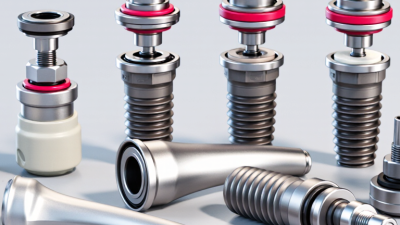
Top Bipolar Hip Prosthesis Manufacturers for Global Buyers
Bipolar Hip Prosthesis selection is becoming more important as ageing populations increase demand for dependable hip-fracture care. The World Health Organization identifies hip fractures as a major global disability concern, while the International Osteoporosis Foundation projects millions of additional fragility fractures by 2050. These trends create pressure for hospitals, distributors, and surgeons to evaluate manufacturers carefully.
This guide examines leading Bipolar Hip Prosthesis manufacturers for global buyers. It considers implant design, bearing materials, femoral stem geometry, quality certifications, clinical evidence, and supply reliability. The AAOS Clinical Practice Guideline supports either unipolar or bipolar hemiarthroplasty for selected older patients, showing that patient factors still matter more than marketing claims. Details matter. A polished catalogue cannot replace evidence.
Dr. Robert W. Bateman, widely associated with the development of bipolar hip arthroplasty, emphasized the value of combining inner and outer movement within the implant design. His concept aimed to reduce acetabular stress while maintaining useful hip motion. That principle remains relevant, although modern outcomes depend on surgical technique, patient anatomy, activity level, and implant quality. Fortune Business Insights and Grand View Research both report continued growth in the broader hip replacement market, but their figures include several implant categories. They should not be treated as direct Bipolar Hip Prosthesis sales data. No ranking is perfect. Buyers must verify regulatory status, published clinical results, manufacturing audits, and after-sales support before choosing a supplier.
Read more »
 By:Charlotte
- October 10, 2026
By:Charlotte
- October 10, 2026
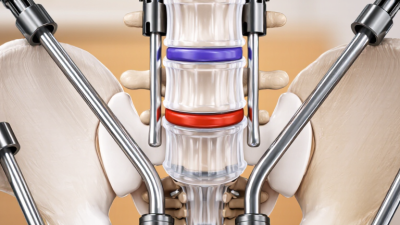
What Is a Spinal Fixation System and How Does It Work?
A Spinal Fixation System is a group of implants that helps stabilize the vertebral column during healing. It may include screws, rods, plates, cages, or connectors. These components are placed near damaged or unstable spinal segments. They can limit painful movement while bone fusion develops.
In the operating room, a surgeon first identifies the affected levels through imaging and direct assessment. Screws anchor into selected vertebrae. Rods then connect those anchors and support the intended alignment. In some procedures, a cage restores disc height and creates space for bone growth. The system does not “repair” every spinal problem by itself. It supports a carefully planned biological process.
As spine surgeon Dr. Edward C. Benzel has stated, “The spine is a dynamic structure, not a static one.” That idea explains why fixation requires balance. Too little support may allow instability. Too much rigidity may increase stress on nearby segments. The best construct depends on bone quality, anatomy, symptoms, and surgical goals.
Details matter.
A patient’s posture can change the plan. So can osteoporosis, previous surgery, or a narrow spinal canal. Modern systems offer useful precision, but they are not risk-free. Infection, nerve injury, implant loosening, and adjacent-segment problems remain possible. The evidence is strong for selected cases, yet not every back-pain patient needs fixation. This distinction is sometimes overlooked. A reliable explanation must acknowledge uncertainty, because successful treatment involves more than inserting hardware.
Read more »
 By:Ethan
- October 5, 2026
By:Ethan
- October 5, 2026
How to Choose Titanium Maxillofacial Plates?
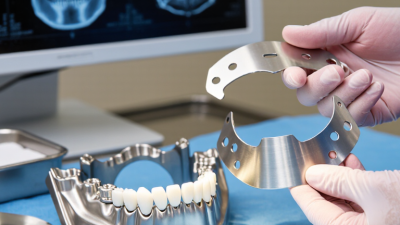
Choosing Titanium Maxillofacial Plates is a clinical decision, not a simple purchasing task. Facial bones vary greatly in thickness, curvature, and load. A plate that fits one patient may create pressure points in another.
Experienced surgeons usually begin with CT images, fracture location, and the patient’s functional needs. They examine whether the plate can follow the orbital rim, mandible, or midface contour without excessive bending. Small details matter. A sharp edge may irritate soft tissue. A poorly matched screw may weaken fixation.
Material quality also deserves close attention. Medical-grade titanium offers strength, corrosion resistance, and useful imaging compatibility. However, titanium alone does not guarantee a successful result. Plate thickness, hole design, contour, screw compatibility, and manufacturing precision all influence performance. Product documentation should clearly identify the alloy, sterilization method, testing data, and intended clinical use.
There is no universal best plate. That assumption can lead to rushed choices. Surgeons should compare manufacturer evidence, surgical experience, and patient-specific anatomy. Consultation with a maxillofacial specialist remains essential, especially for complex fractures or reconstruction.
Look beyond appearance. A polished surface may seem impressive but reveal little about fatigue resistance or quality control. Reliable suppliers provide traceable records and transparent technical information. Even experienced teams can miss practical concerns, such as instrument access in a narrow surgical field. Careful planning, documented judgment, and realistic expectations support safer selection of Titanium Maxillofacial Plates.
Read more »
By:Amelia
- September 30, 2026
China Top Craniomaxillofacial Implant Manufacturers?
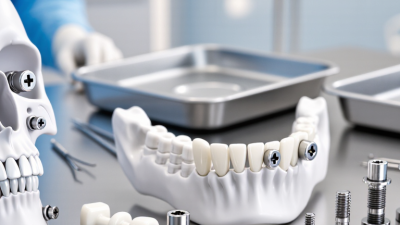
Choosing among China’s leading Craniomaxillofacial Implants manufacturers requires more than comparing catalogues or quoted prices. These devices support delicate facial structures, where fit, material quality, and dependable production matter. A small plate beside the orbit, for example, must match the surgical plan without obstructing nearby anatomy. Details matter.
A useful principle, consistent with the clinical focus of facial-trauma surgeon Dr. Edward Ellis III, is: “An implant should restore function while respecting the patient’s anatomy.” This is an editorial paraphrase, not a verbatim quotation. It points to the questions buyers and clinical teams should ask: What materials are used? How are dimensions and tolerances checked? Can the manufacturer provide clear technical documentation and responsive support? These questions help separate meaningful evidence from polished marketing.
This guide examines manufacturers in China through practical criteria, including product range, manufacturing quality systems, customization options, and export experience. It does not treat a company’s location or promotional claims as proof of clinical performance. Independent verification still matters. Some supplier details may be difficult to compare, and that limitation deserves attention rather than a confident guess. The aim is to give surgeons, distributors, and procurement teams a clearer starting point for evaluating Craniomaxillofacial Implants—and for asking better questions before making a decision.
Read more »
By:Ethan
- September 25, 2026
China Top 10 Cannulated Screw System Manufacturers
China’s Cannulated Screw System manufacturing sector has become an important source for orthopedic fixation solutions. Its suppliers serve hospitals, distributors, and medical-device brands worldwide. However, a “top 10” list should not rely on factory size alone. Product quality needs closer inspection.
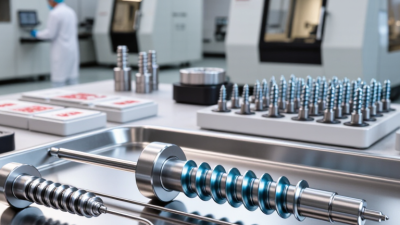
This overview evaluates Chinese manufacturers through practical and technical criteria. These include implant materials, thread design, guidewire compatibility, cannulated diameter, instrument accuracy, sterilization options, and quality-control records. Experience matters here. A screw may look precise on a catalog page, yet small tolerances can affect insertion, compression, and surgical confidence. Some details are easy to overlook.
Orthopedic trauma specialist Dr. William M. Ricci has stated, “Good fixation starts with understanding the fracture, not with choosing the implant.” This principle applies directly to every Cannulated Screw System. Manufacturers must understand different fracture patterns, bone conditions, and surgical approaches. They also need reliable communication with surgeons and purchasing teams.
The selected companies are discussed as potential industry leaders, not as universally superior suppliers. Performance can vary by model, production batch, regulatory market, and clinical application. That limitation deserves attention. A responsible buyer should request technical files, material certificates, inspection reports, and product samples before making a decision. Traceability matters.
Small components. Serious consequences.
China’s leading manufacturers increasingly combine CNC machining, automated inspection, clean assembly areas, and customized instrumentation. Still, equipment alone does not prove reliability. Consistent validation, transparent documentation, and responsive after-sales support reveal a supplier’s real professional maturity. This guide offers a practical starting point for comparing the China Top 10 Cannulated Screw System Manufacturers.
Read more »
By:Amelia
- September 20, 2026

What Is an Orthopedic Locking Plate System?
An Orthopedic Locking Plate System is more than a metal plate with screws. It is a fixation method designed to stabilize fractured bone while preserving alignment and supporting biological healing. Unlike conventional screws, locking screws engage threaded holes in the plate. This creates a fixed-angle construct around the fracture.
Orthopedic implant designer Robert Frigg described the principle simply: “The locking plate acts as an internal fixator.” That idea remains clinically important. The plate can sit slightly away from the bone, reducing the need for aggressive compression. It may also help protect delicate blood vessels beneath the implant. Still, the system is not a universal solution. Fracture pattern, bone quality, soft-tissue condition, and patient movement all influence the result.
In practice, surgeons select plate length, screw direction, and fixation density with careful planning. A long plate may spread stress across a wider area. A shorter construct can provide stronger local control, but it may increase strain. Small details matter, including screw spacing and contouring around the anatomy. This is where experience becomes visible.
The technology is powerful.
But it is not effortless.
Overly rigid fixation can limit useful motion at the fracture site. Poor positioning can irritate soft tissue or compromise alignment. Even a well-designed implant cannot replace sound surgical judgment and patient follow-up. This introduction examines how an Orthopedic Locking Plate System works, where it offers advantages, and why its limitations deserve equal attention. The evidence is encouraging, but careful reflection remains necessary.
Read more »
By:Amelia
- September 11, 2026

How to Choose the Best Intramedullary Interlocking Nails?
Choosing the right Intramedullary Interlocking Nails requires more than comparing prices, materials, or product photographs. The best option must match the patient’s fracture pattern, bone anatomy, activity level, and healing expectations. Fit matters. A nail that appears suitable on a catalog page may not suit a narrow medullary canal or a highly comminuted fracture.
Experienced orthopedic teams usually assess nail diameter, length, curvature, locking-hole position, and insertion technique together. They review radiographs and, when necessary, computed tomography scans before selecting an implant. Distal and proximal locking options can influence rotational stability, especially in fractures near the metaphysis. Details matter. The surgeon must also confirm compatibility with available instruments, imaging equipment, and the planned surgical approach.
Reliable selection depends on evidence, not marketing language alone. Product specifications, recognized quality systems, published clinical research, and manufacturer training materials should be checked carefully. Hospitals may also consider sterilization requirements, traceability, revision support, and documented outcomes from comparable cases. No checklist is perfect. Anatomy varies, evidence can be limited, and intraoperative findings may change the plan. That uncertainty deserves honest discussion between the surgeon, care team, and patient.
This guide explains the practical factors behind implant selection, from fracture assessment to nail design and locking strategy. It does not replace professional judgment or local clinical protocols. Instead, it offers a structured way to ask better questions, identify avoidable risks, and choose an Intramedullary Interlocking Nails system with greater confidence.
Read more »
By:Ethan
- September 11, 2026

How to Choose Orthopedic Trauma Implants in 2026?
In 2026, selecting Orthopedic Trauma Implants requires more than comparing prices or catalog photographs. A plate that looks ideal on a screen may feel too bulky around a thin soft-tissue envelope. A screw that fits the measurement may not provide dependable purchase in osteoporotic bone. Clinical judgment starts with the fracture, not the brand.
This guide examines how trauma teams can connect implant design with patient anatomy, bone quality, fracture biology, and the planned fixation strategy. It considers locking plates, intramedullary nails, screws, wires, and external fixation systems. It also reviews material choices, instrument compatibility, imaging visibility, sterilization controls, traceability, and manufacturer support. These details matter during a long case, when a missing driver or unclear size chart can slow a careful team.
Evidence should lead the decision. Peer-reviewed studies, validated mechanical data, regulatory authorization, and documented post-market performance deserve close attention. Surgeon experience adds practical insight, but habit can also hide weak assumptions. A familiar implant is not automatically the safest implant. Nor is a newer design automatically better.
There are no universal answers. A comminuted tibial fracture, a periprosthetic fracture, and a pediatric injury demand different priorities. Patient activity, healing risk, infection risk, and follow-up access may change the plan. Even experienced teams can misjudge bone quality before exposure. That uncertainty deserves discussion, not denial. The sections ahead offer a structured, clinically grounded way to compare Orthopedic Trauma Implants while keeping patient safety, evidence, and real operating-room conditions in view.
Read more »
By:Amelia
- September 11, 2026
